From Hops to Beer, the Czech Gold
Itinerary of the day tour:
History and Interesting Facts

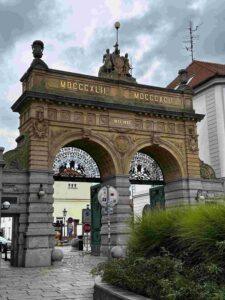
Plzeň is one of the most important cities in Czech history when it comes to brewing. Beer has been brewed here since the Middle Ages, but for centuries its quality was inconsistent. By the early 19th century, dissatisfaction with local beer led the city’s brewers to take a bold step that would change beer history forever.
In 1842, the citizens of Plzeň founded a new modern brewery and hired Bavarian brewer Josef Groll. That same year, he brewed the world’s first clear, golden lager — a revolutionary beer with a crisp taste, rich foam, and balanced bitterness. This beer became known as Pilsner Urquell, meaning “the original source of Pilsner.” Its success was immediate and global, and the Pilsner style went on to inspire the majority of lagers brewed around the world today.
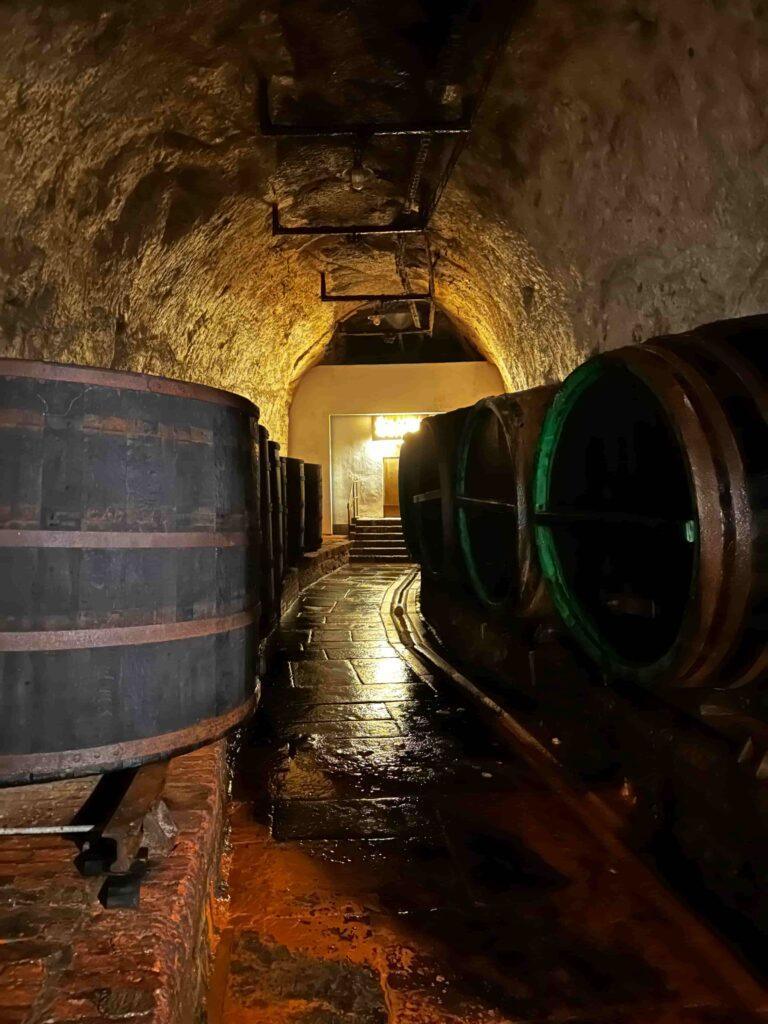
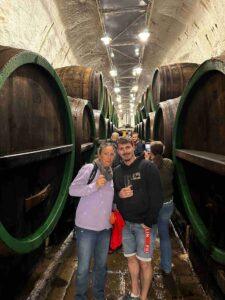
The brewery itself is a fascinating blend of history and tradition. Beneath Plzeň lies an extensive system of historic cellars, once used for lagering beer in oak barrels and cooling it with natural ice. Even today, Pilsner Urquell is still brewed using traditional methods, including triple decoction mashing and open fermentation — techniques rarely used in modern brewing due to their complexity. One interesting fact is that the brewery continues to test its beer by tasting it directly from wooden barrels in the cellars, preserving the original flavor profile from 1842.
Plzeň is not just the birthplace of a famous beer, but a symbol of Czech brewing culture itself. Visiting the city and its legendary brewery offers a deeper understanding of how tradition, craftsmanship, and innovation came together to create a beer style that changed the world.
Bohemian Switzerland faced one of the most devastating natural disasters in its history in 2022, when a massive wildfire swept through the region and burned thousands of hectares of forest. The fire came at a time when the park was already struggling with bark beetle infestation, which had weakened large areas of spruce forest and made the landscape more vulnerable to extreme weather and fire.
The damage was significant, but the story of Bohemian Switzerland did not end there. Nature has an incredible ability to recover. Today, new vegetation is slowly returning, wildlife is adapting, and the landscape is transforming into a more diverse and resilient ecosystem. Burned areas are giving space to mixed forests, which are better suited to future climate conditions and more resistant to pests and fire.
This is exactly why supporting the national park now is so important. Responsible tourism plays a key role in recovery. Visitors bring vital income to the region, helping fund trail maintenance, infrastructure repairs, conservation projects, and local communities that depend on tourism. By visiting Bohemian Switzerland, travelers are not only enjoying breathtaking scenery but also actively contributing to the park’s renewal.
Traveling here today is a meaningful choice. It is a way to support nature’s recovery, help local people, and witness a powerful story of resilience. Bohemian Switzerland remains a place of beauty, strength, and hope — and it deserves our care, respect, and continued presence.